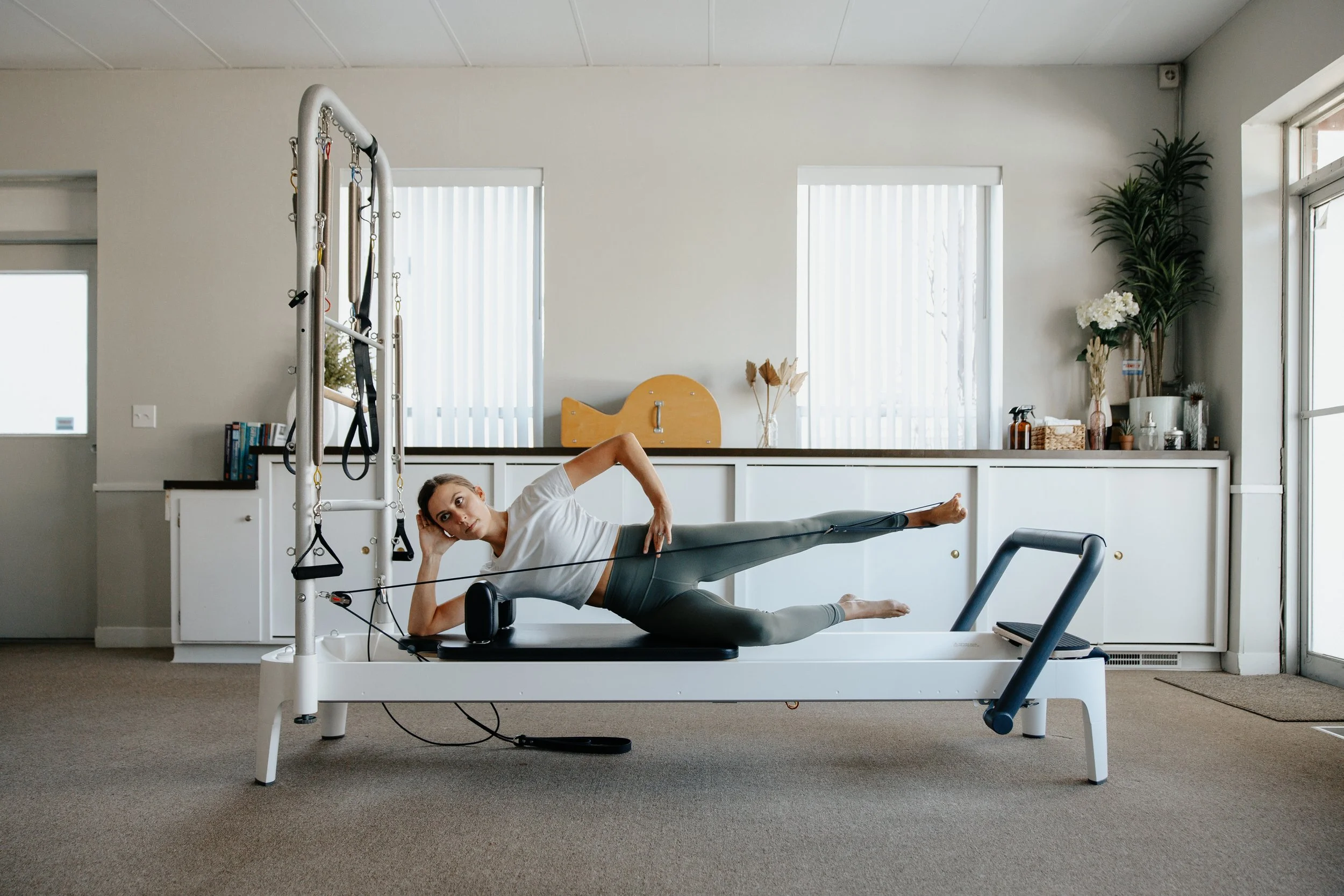
When people think about “glutes,” we usually picture the glute max: the muscle we associate with power, strength, and aesthetics. But from a functional standpoint, one of the most important glute muscles is actually the gluteus medius.
The glute medius is a key player in pelvic stability, hip control, and lower-extremity alignment. When it’s working well, movement feels smooth, supported, and efficient. When it’s under active or fatigued, other tissues often step in to compensate sometimes leading to pain or recurring injuries.
Gluteus Medius Anatomy & Function:
The gluteus medius sits on the outer side on the hip and runs underneath the glute max.
Its primary functions include:
Frontal plane pelvic stability (preventing pelvic drop during single-leg stance)
Control of hip motion, particularly internal rotation and adduction
Maintaining proper knee and ankle alignment during walking, running, and squatting
Functionally, the glute medius works constantly during walking, running, and standing tasks, especially when the body is supported on one leg.
Why the Glute Medius Matters:
In physical therapy, we frequently see compensatory patterns when the glute medius is underperforming:
Excessive hip drop during gait
Knees caving inward during squats, stairs, or jumping
Using the low back or front of the hip to “hold you up” instead of the side glutes
Extra strain showing up in the knees, low back, or outer hip over time
These patterns don’t always show up as “pain” first. Often, the symptoms appear downstream, which is why gluteus medius dysfunction can be overlooked without a movement-based assessment.
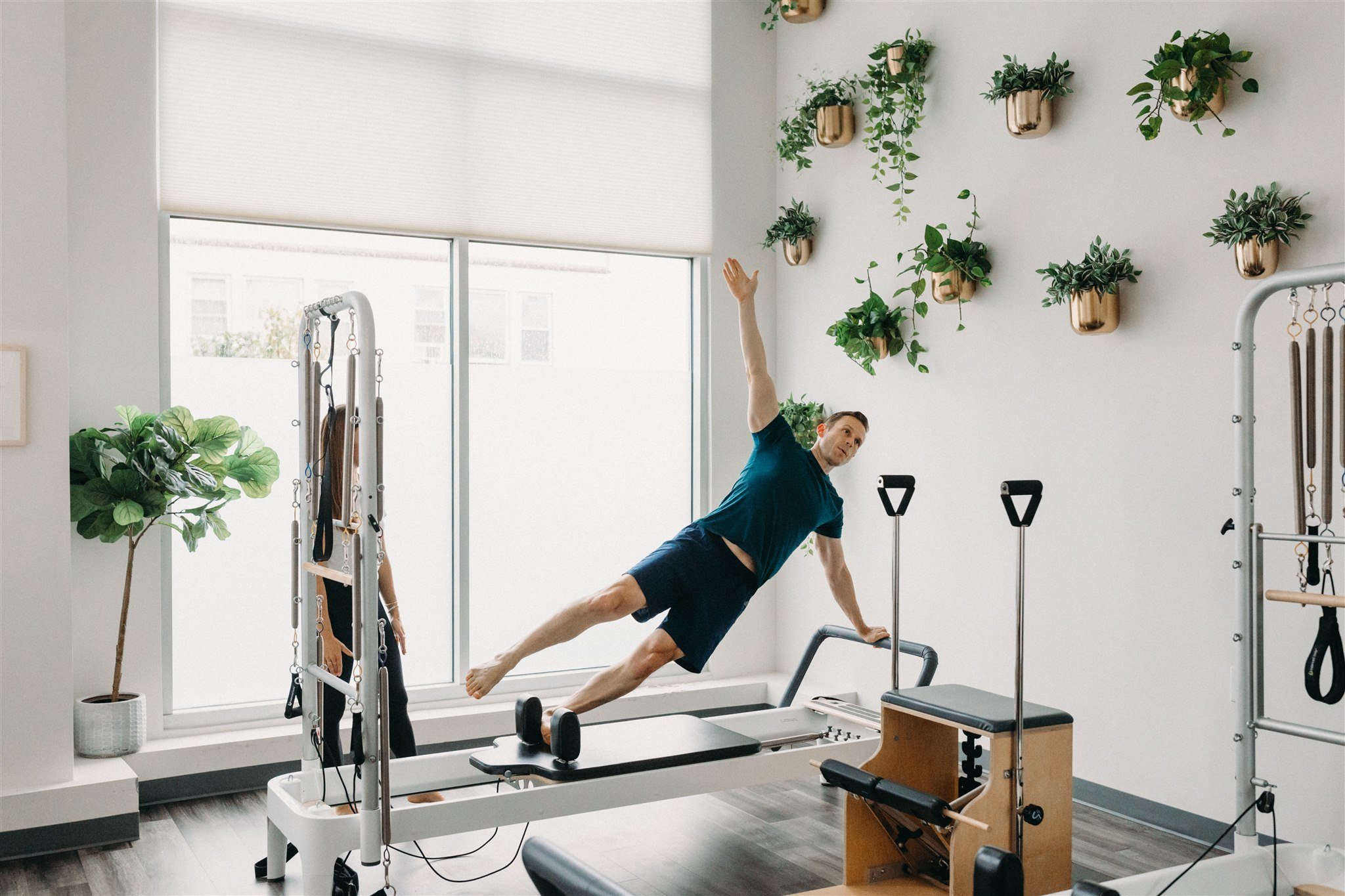
Training the glute medius the “right” way with Pilates
Glute medius dysfunction is rarely just “weakness”. From a rehab perspective, the issue is often motor control and endurance, not maximal strength.
Common contributors include:
Prolonged sitting
Poor trunk–pelvis coordination
Loss of single-leg stability
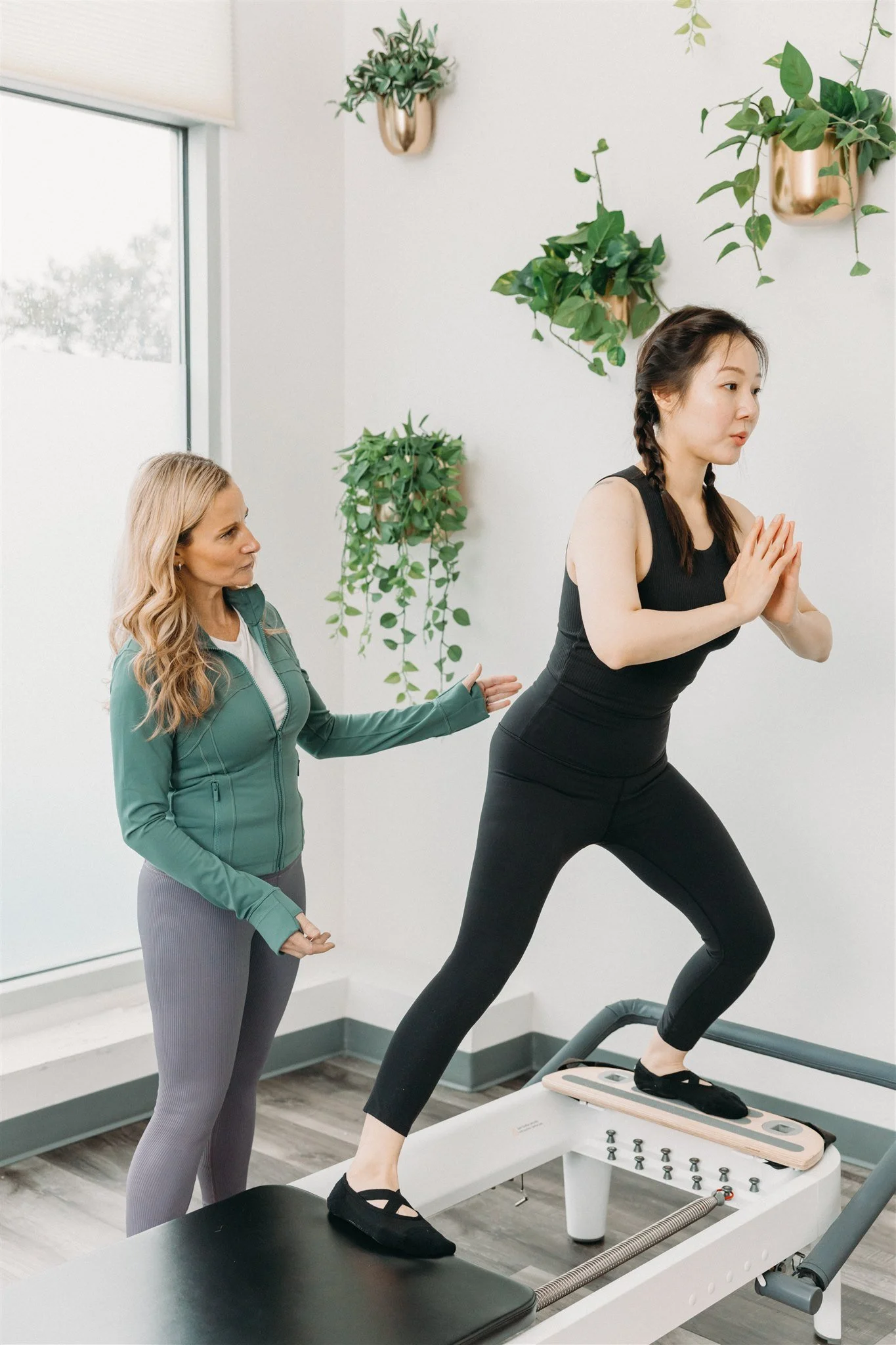
A muscle can test “strong” in isolation yet still fail during functional tasks like walking, running, or standing on one leg. Unlike traditional strengthening approaches that focus on isolating the muscle with heavy resistance, Pilates trains the gluteus medius in the way it’s actually used in daily life and sport. Because the glute medius functions primarily as a stabilizer, it responds best to controlled, multi-joint movements that challenge balance, alignment, and endurance rather than maximal load.
Instead of isolating the muscle with heavy resistance, Pilates emphasizes:
Pelvic alignment and control
Slow, intentional movement
Breath-supported stability
Integration with the core and trunk
This approach helps the gluteus medius do what it’s designed to do: support the pelvis, control the leg, and protect the joints during real-world movement and is especially important in activities like running, lifting weights, and sports that involve cutting or rotation (such as tennis or golf).
Interested in learning more about the Pilates rehabilitation method?
Set up your free discovery call here.