

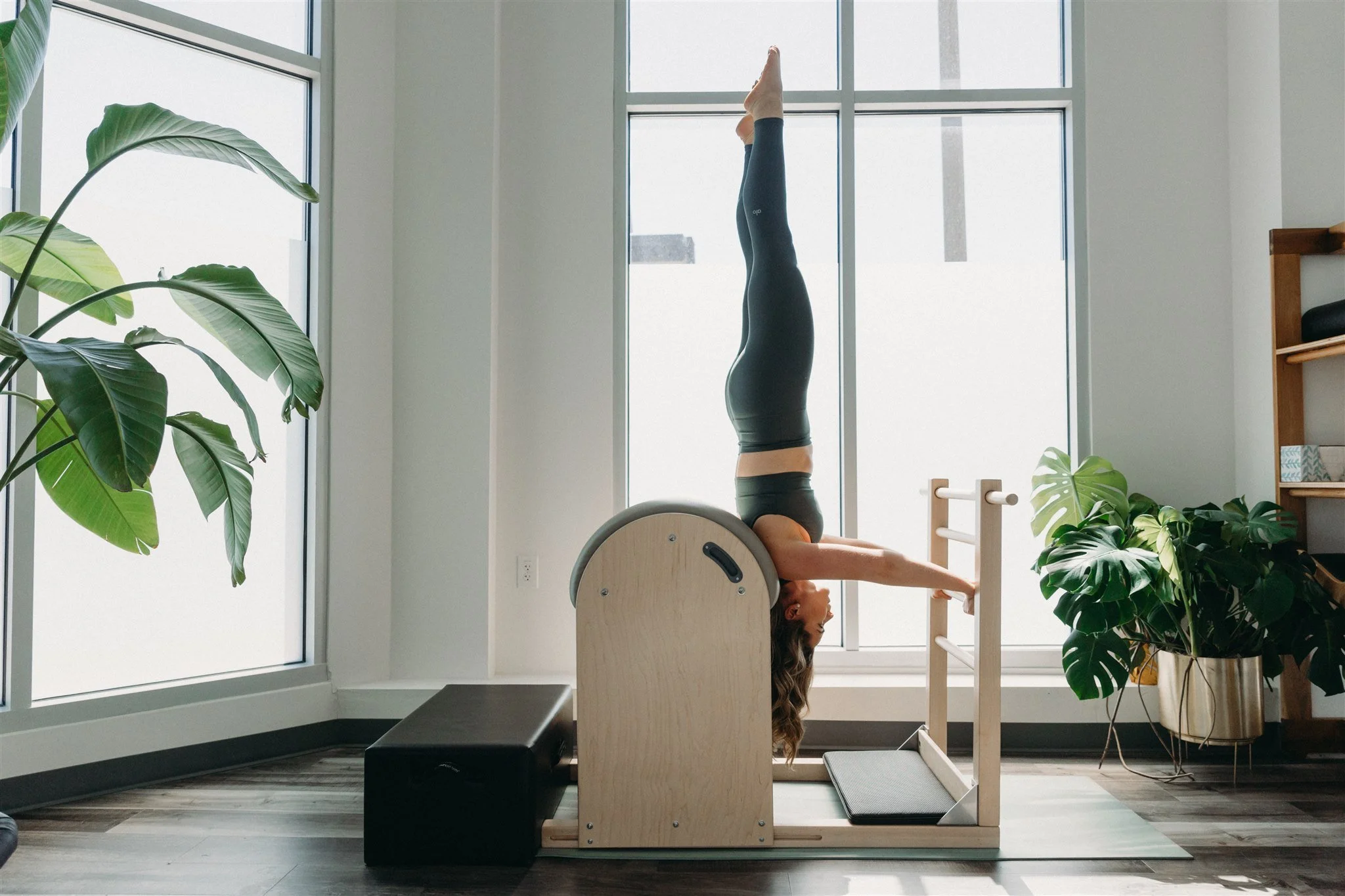
If you have ever had the feeling of being super motivated to workout for a week and then slowly losing all momentum, you are not alone. Staying consistent in any movement practice isn't an easy task and doesn't just happen out of the blue. It requires intention, structure, and meaningful strategies that support follow-through over time.
When many people start a new workout routine or movement practice, they often think the key to results is intensity. They feel the need to be extremely sore, drenched in sweat and completely exhausted for the session to “count”. But the truth is, results don’t come from intensity. They come from consistency. Therefore, it matters far more about what you do 1-2 times per week for six months than what you do for 10 days in a row at 110%.
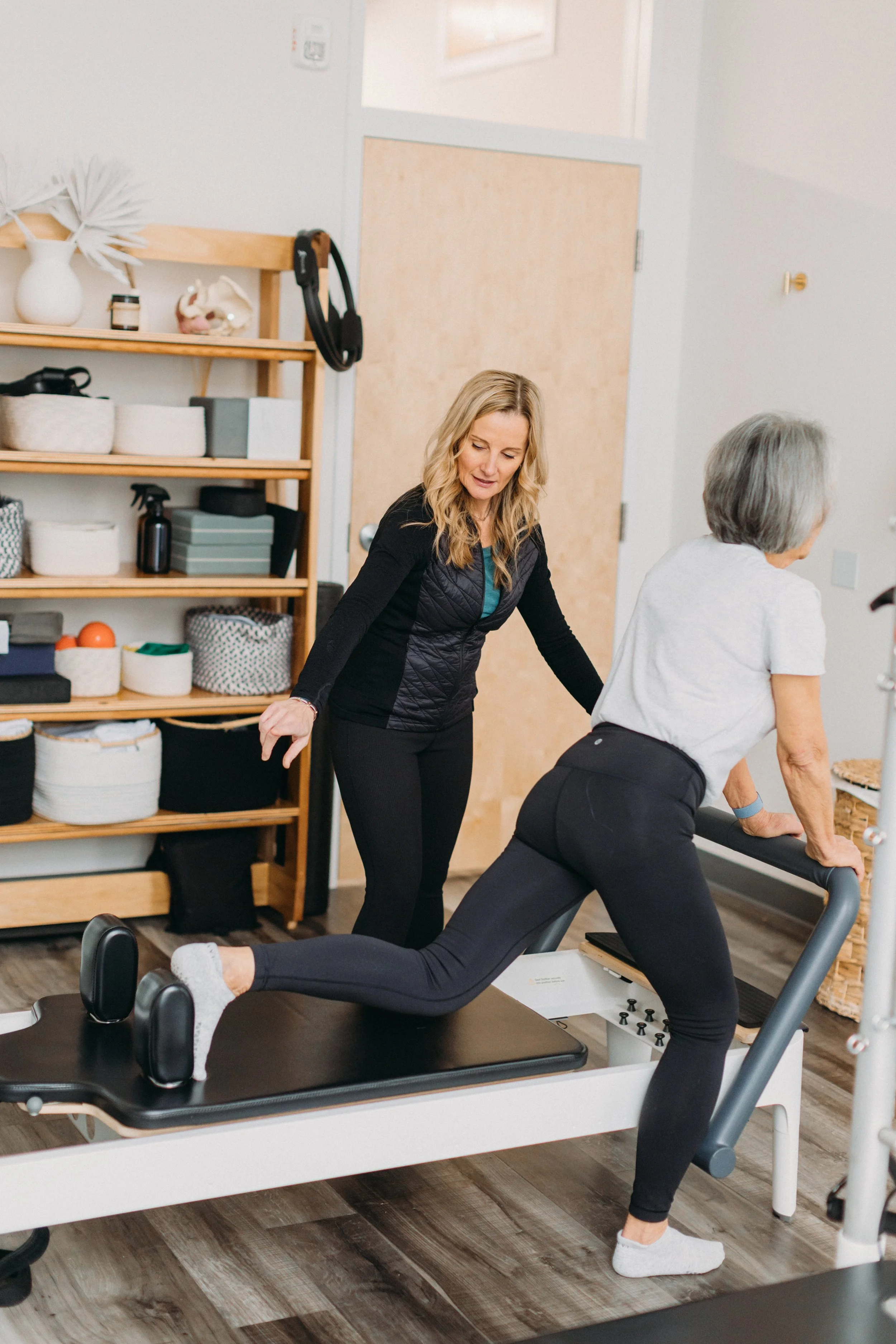
The Science of Motivation:
Motivation feels powerful in the moment, but it is also unpredictable. It can rise and fall depending on stress levels, sleep, hormones, workload, and general life circumstances. If your movement practice relies on you consistently feeling inspired, it will inevitably become inconsistent.
This is because motivation is closely tied to dopamine, a neurotransmitter that is involved in reward and anticipation. Dopamine spikes when something feels new, exciting or goal oriented. That’s why starting a new workout routine can feel energizing. But once the novelty wears off, the dopamine response decreases. When this happens, many people just assume they’ve lost discipline when in reality they’ve just simply moved out of the excitement phase. Long term behavior change is less about chasing dopamine and more about building neural pathways through repetition. Each time you repeat a behavior in a consistent context ie. the same time of day, same environment, same cue, your brain requires less conscious effort to initiate it.
Practical strategies for building a consistent movement practice:
Make it easy to start.
Start smaller than you think you need to. Choose a time commitment or frequency that feels almost too easy so showing up feels manageable.
Design your environment for success.
Pick out your work out clothes, leave your mat out, and schedule your session ahead of time.
Choose a practice you enjoy.
Sustainable habits require some level of intrinsic reward. When movement leaves you feeling energized and supported rather than depleted, you’re far more likely to return to it.
Habit stack your movement.
Attach movement to something you already do daily. For example after your drink your first cup of coffee, start a short on-demand workout from our on demand library! Another way to do this is scheduling your sessions immediately after a predictable routine like finishing work. Linking movement to an existing habit reduces decision making and helps build automaticity over time.
Looking for an easy way to jumpstart your consistent movement practice?
Join the Pilates Rx On-Demand consistency challenge! Together we will walk you through a 7-day series that will help you build a steady movement practice. Begin with just 20-minutes of mat Pilates, then progress to a full 50-minute class by the end of the week!

If your ready to take the next step in your movement journey schedule a free discovery call here to learn more about our Pilates memberships and Physical Therapy programs!