

The Pilates Approach to Cortisol & Chronic Stress
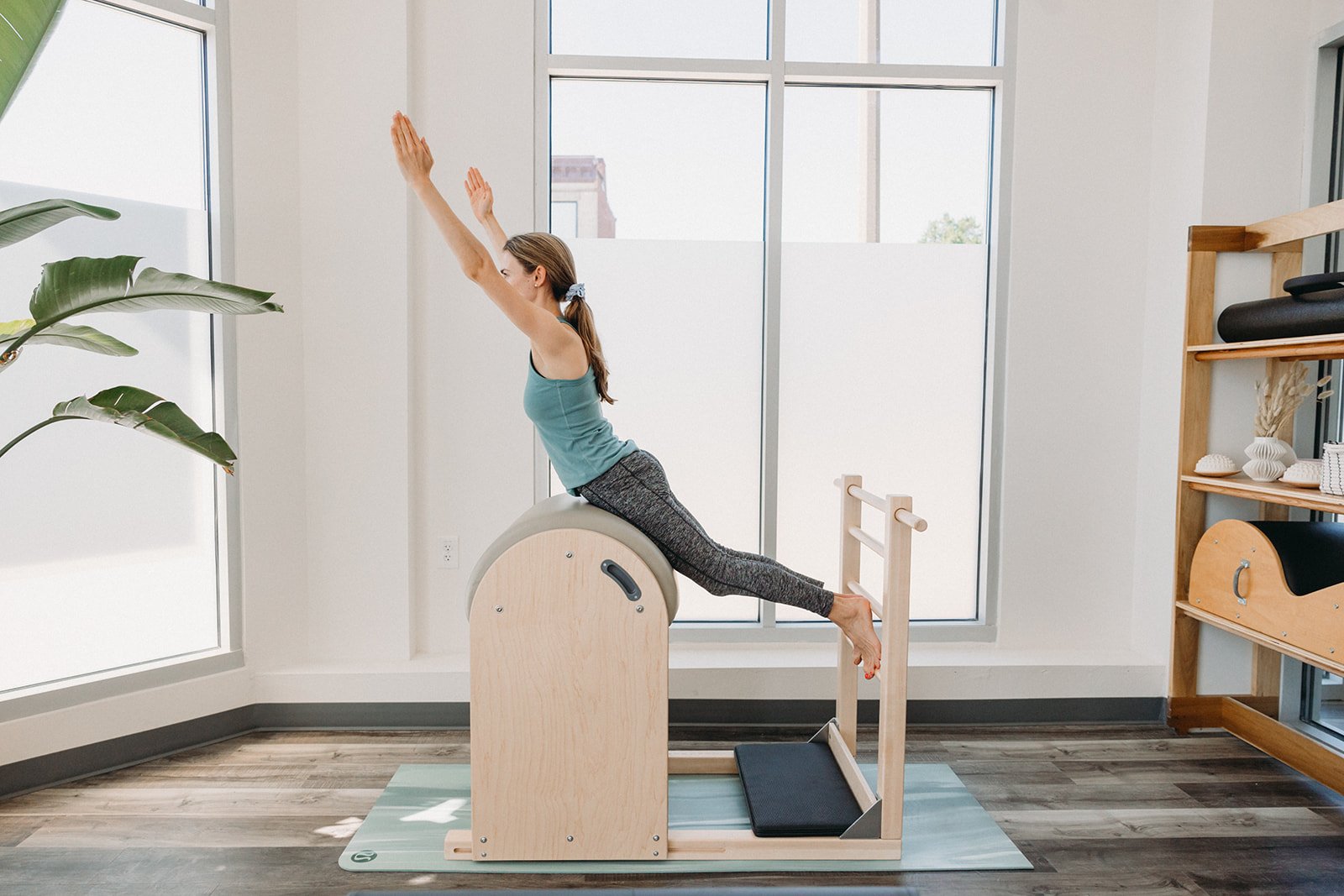
Stress is a part of everyday life, and many of us turn to exercise as a way to cope with it. While movement is essential for health not all exercise affects the body in the same way especially when it comes to stress hormones like cortisol. Understanding how cortisol responds to different types of movement can help us choose practices that support our nervous system and build resilience.
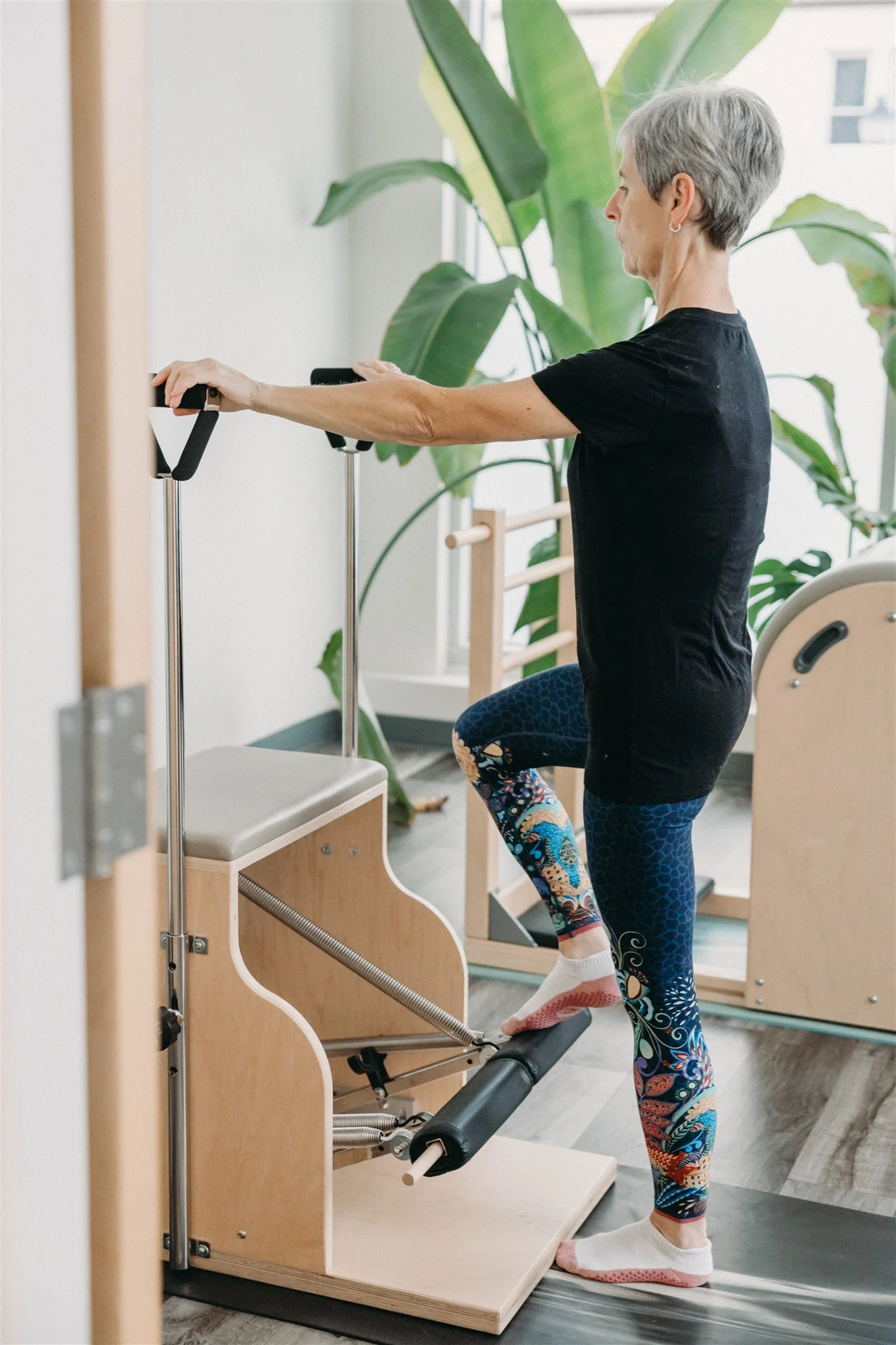
What is cortisol?
Cortisol otherwise known as the “stress hormone” plays an important role in regulating many systems in our bodies. It helps us regulate blood sugar, supports energy production and even assists with controlling our inflammatory response. Problems do not arise solely from cortisol itself but they do present themselves in times of chronic elevation.
How chronic stress shows up in the body:
Chronic stress typically manifests physically before we even consciously realize it. Persistent fatigue, weight gain, tight hips, stiff neck and shallow breathing can all be signs that the nervous system is overloaded and is not working the way it should be. If this cycle continues and the body never fully exits stress mode, it may lead to protein breakdown in skeletal muscle and reduced lean muscle over time. This is especially relevant for aging populations, where cortisol related muscle loss contributes to sarcopenia and overall decreased functional capacity. These are all signals that the body is now adapting to prolonged stress in an unhealthy way.
Why movement can lower stress or add to it:
Exercise is a great way to regulate stress for most people, but not all movement has the same effect on the nervous system. One of the most important takeaways from recent studies is that exercise intensity and duration are the primary drivers of cortisol production during movement. Research has found that prolonged aerobic exercise at moderate to high intensity produced the largest cortisol increases. Exercise lasting 60 minutes or more at 65-90% intensity consistently elevated cortisol levels. In other words more exercise or harder exercise is not automatically better for your overall health.
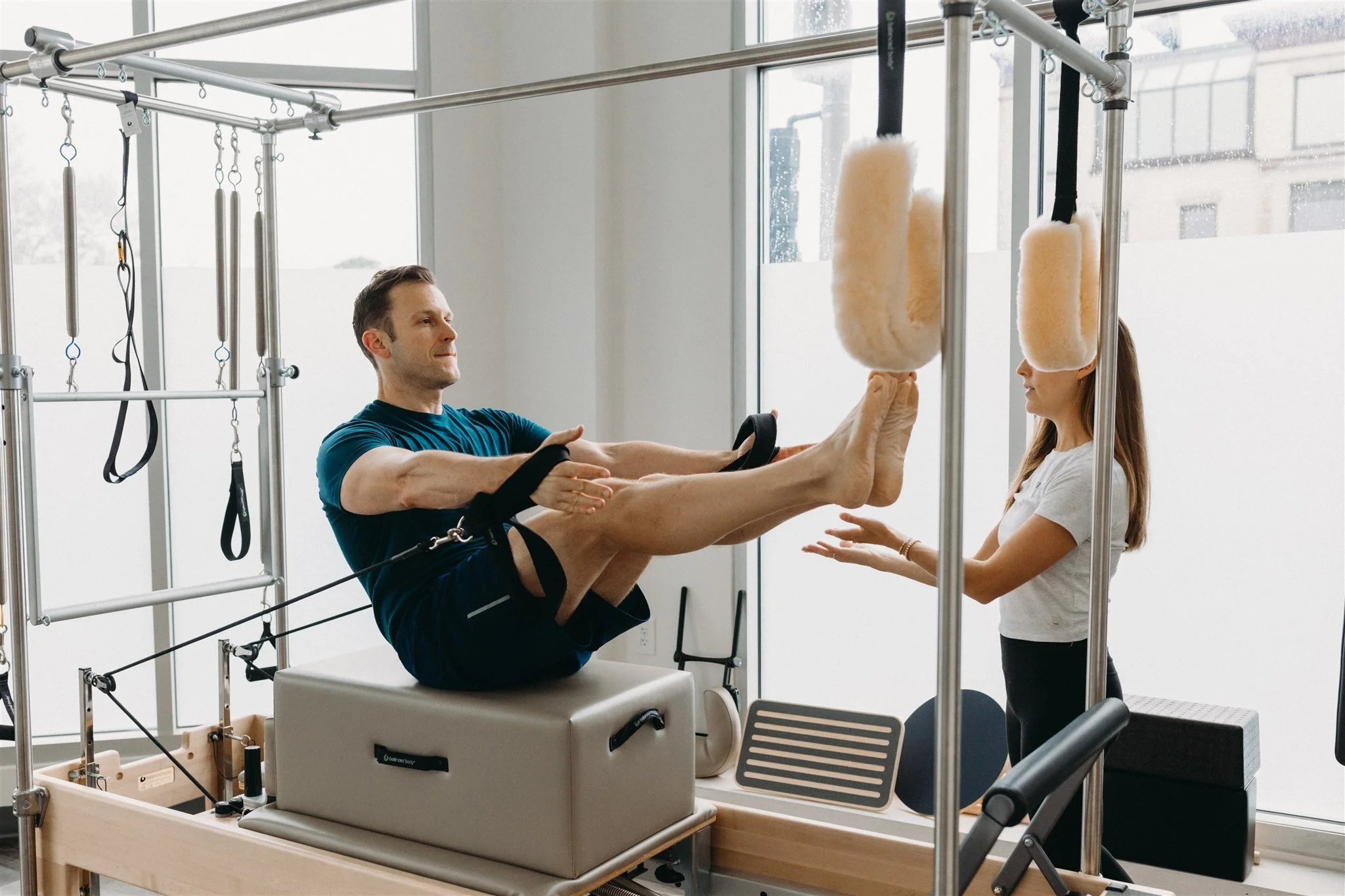
Pilates Principles that support cortisol balance
The principles that Pilates is built upon, can actually directly counter excessive cortisol responses:
1. Breath:
Intensional breathing acts like a “brake” on the stress response. Pilates breathwork improves breathing efficacy, reduces the tendency to brace, and signals safety to the nervous system which allows for less of a need for a large cortisol output.
2. Mobility:
Chronic stress often shows up as stiffness and guarded movement. In Pilates we focus on whole body mobility such as rib mobility for breathing, thoracic rotation for reaching, hip mobility for gait and load transfer. When joints move better the body lessens its need to protect with constant tension which can reduce the cortisol pattern of training and recovery.
3. Dynamic Alignment:
When you are able to move with correct alignment, your overall movement is more efficient and needs much less compensation, gripping and strain. Efficient mechanics reduces the perception of effort and threat so a work out can be challenging without pushing the system into over-activated stress response.
4. Control:
Pilates builds strength through precision, tempo, and predictable progressions to build control and keep the nervous system regulated while still providing a strong stimulus. This matters because cortisol tends to rise more with prolonged uncontrolled strain, breath holding, and “all-out” exercise output.
5. Movement Integration:
Movement integration trains the body to distribute work across multiple areas of the body instead of just overloading one region. When the whole system contributes, movement feels more coordinated and less exhausting. This improves recovery time and helps your body exit stress mode faster after training which is key for avoiding repeated cortisol spikes.
In conclusion, it's not about avoiding all stress, it's about balancing it. Exercise is an essential part of a healthy routine and different forms of movement serve different purposes. A well-rounded movement routine includes a variety of exercise styles such as strength, cardiovascular work, and higher intensity training. The key is balance. When lifting and training place demands on the body, it's important to include movement that helps to regulate stress rather than to consistently add to it. Pilates offers that counterbalance. Through breath, control, mobility, dynamic alignment and integrated movement, Pilates can support the nervous system while still building strength and resilience. When combined with other forms of exercise it helps to create a sustainable approach to movement that supports long-term health.
Interested in learning how to introduce Pilates into your routine?
Set up your free discovery call here !
References:
Torres R, Koutakis P, Forsse J. The Effects of Different Exercise Intensities and Modalities on Cortisol Production in Healthy Individuals: A Review. Journal of Exercise and Nutrition. 2021;4(4).
Andriana LM, Wijaya FJM, Ashadi K, et al. A pilates-based physiological recovery strategy to enhance post-exercise recovery after high-intensity interval exercise. Pedagogy of Physical Culture and Sports. 2025;29(4):339-349.
Farzane A, Koushkie Jahromi M. The effect of pilates training on hormonal and psychophysical function in older women. J Sports Med Phys Fitness. 2022;62(1):110-121.