The Pilates RX Blog
Why Balance Training Matters More as you Age
Balance is not a fixed trait that you either have or don't have, it's actually a trainable skill and like any skill it responds to practice and fades with neglect. More than one in four older adults reports experiencing a fall each year, and falls are the leading cause of injury related death among adults 65 and older. The age adjusted fall death rate actually increased by 21% between 2018 and 2024 which means this is a growing problem not just a shrinking one! What many people do not know is that falls are not an inevitable consequence of aging. Researchers who study this are explicit about it. We do decline in certain areas as we age, but there is a great deal we can do to minimize fall risk, and balance training is at the center of that.
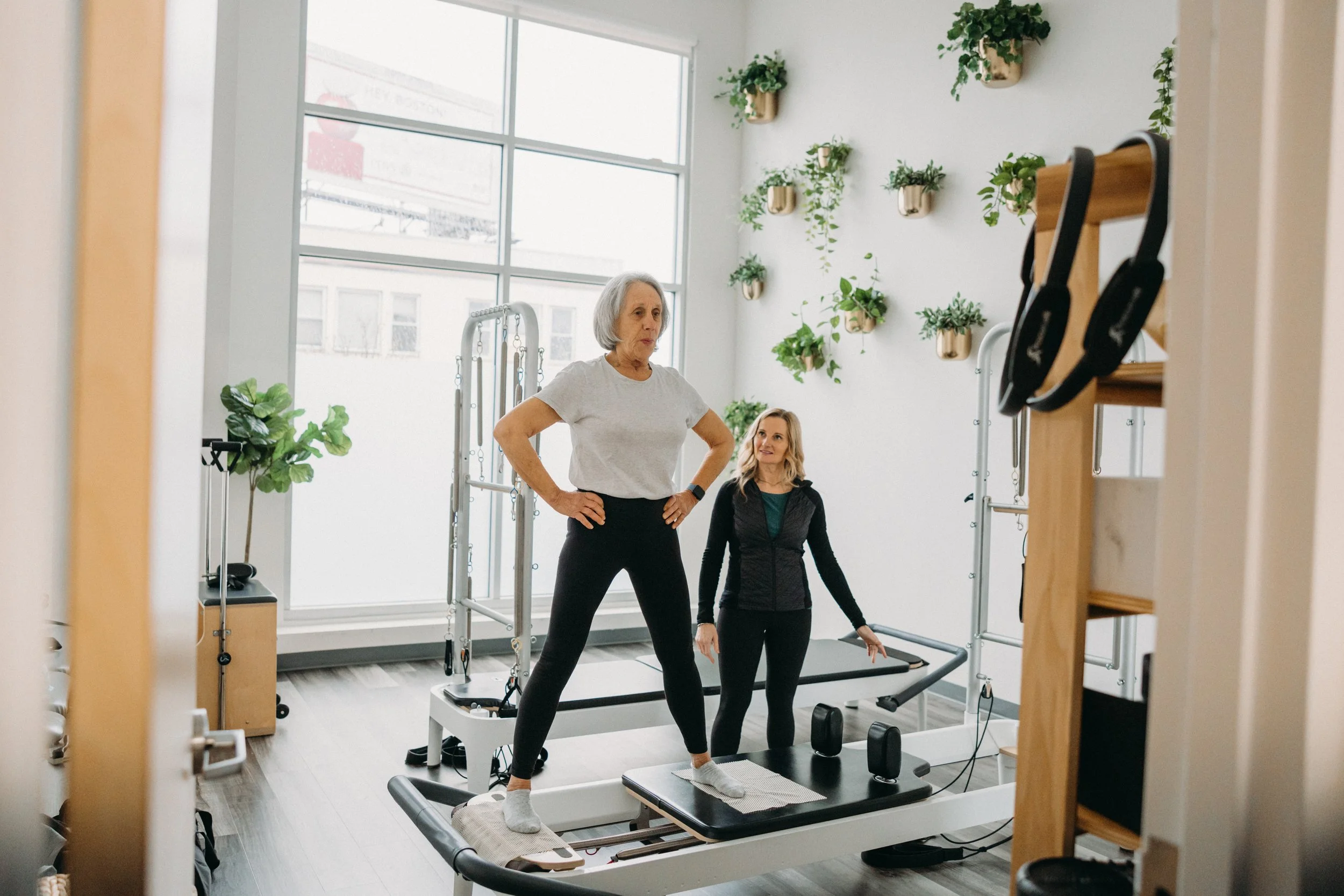
Pilates for Osteoporosis: Strengthening Bones Safely
Bone loss throughout the lifetime is a natural part of aging. However, movement can play a major role in helping to keep your bones strong. Diagnoses such as osteoporosis and osteopenia may make people hesitant to exercise as these conditions can increase risk of fractures and affect long term mobility. Despite this concern, finding the right type of exercise can actually help to support your bone health and improve overall stability. While factors such as nutrition and genetics influence bone density, safe and appropriate exercise is one of the most powerful tools we have to support long-term bone health.
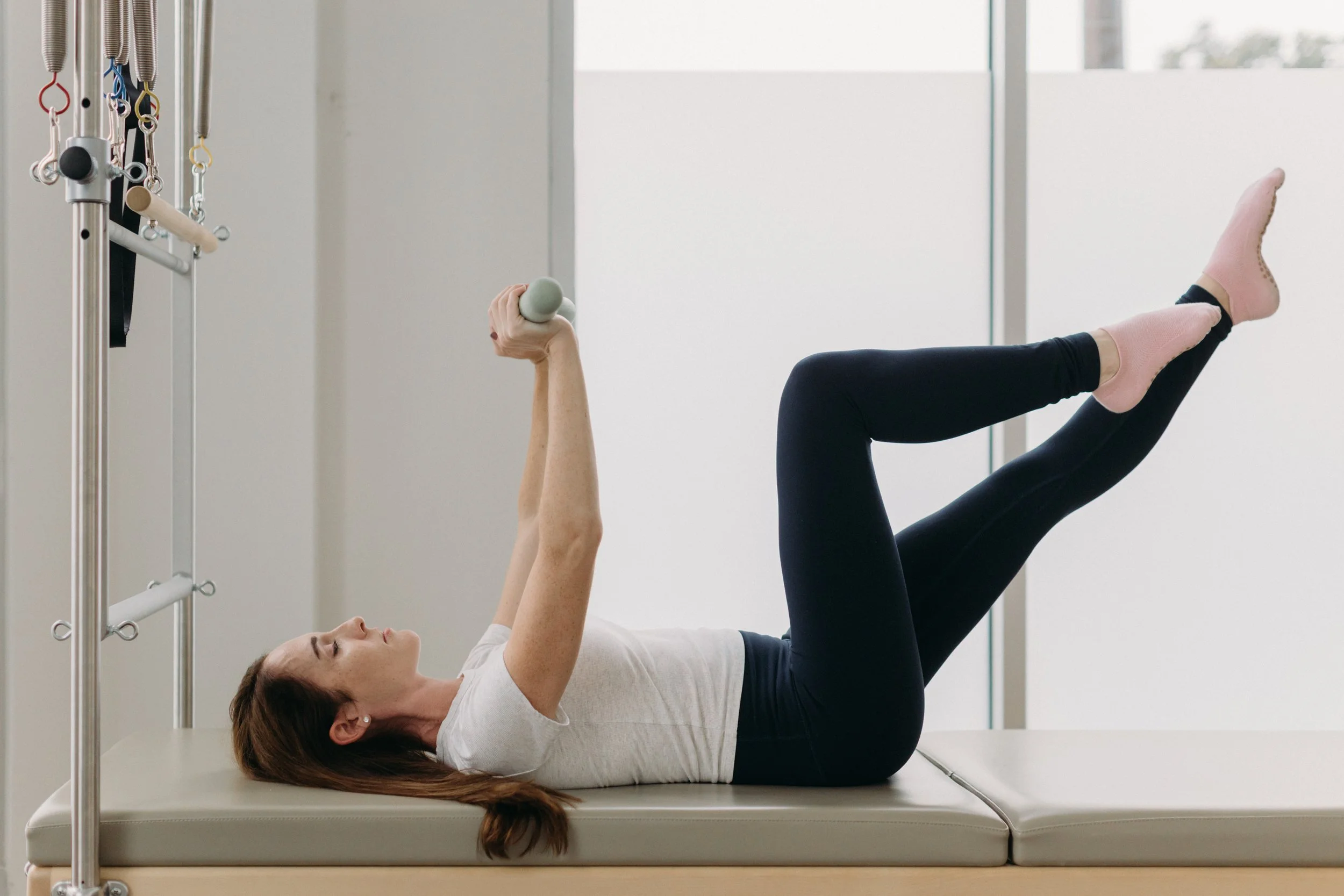
Understanding Your Deep Core Muscles
When we think about our “core,” most of us picture our six-pack abs. But when a physical therapist or Pilates instructor cues your deep core, we’re usually talking about muscles that run much deeper than what you can see in the mirror. Your deep core has far more to do with support and stability than appearance. It’s the system that helps protect your spine, manage pressure in your abdomen, and create a stable foundation for movement. If you’ve been dealing with back pain, pelvic floor symptoms, or you feel like your core workouts “aren’t working,” understanding your deep core muscles can change everything.
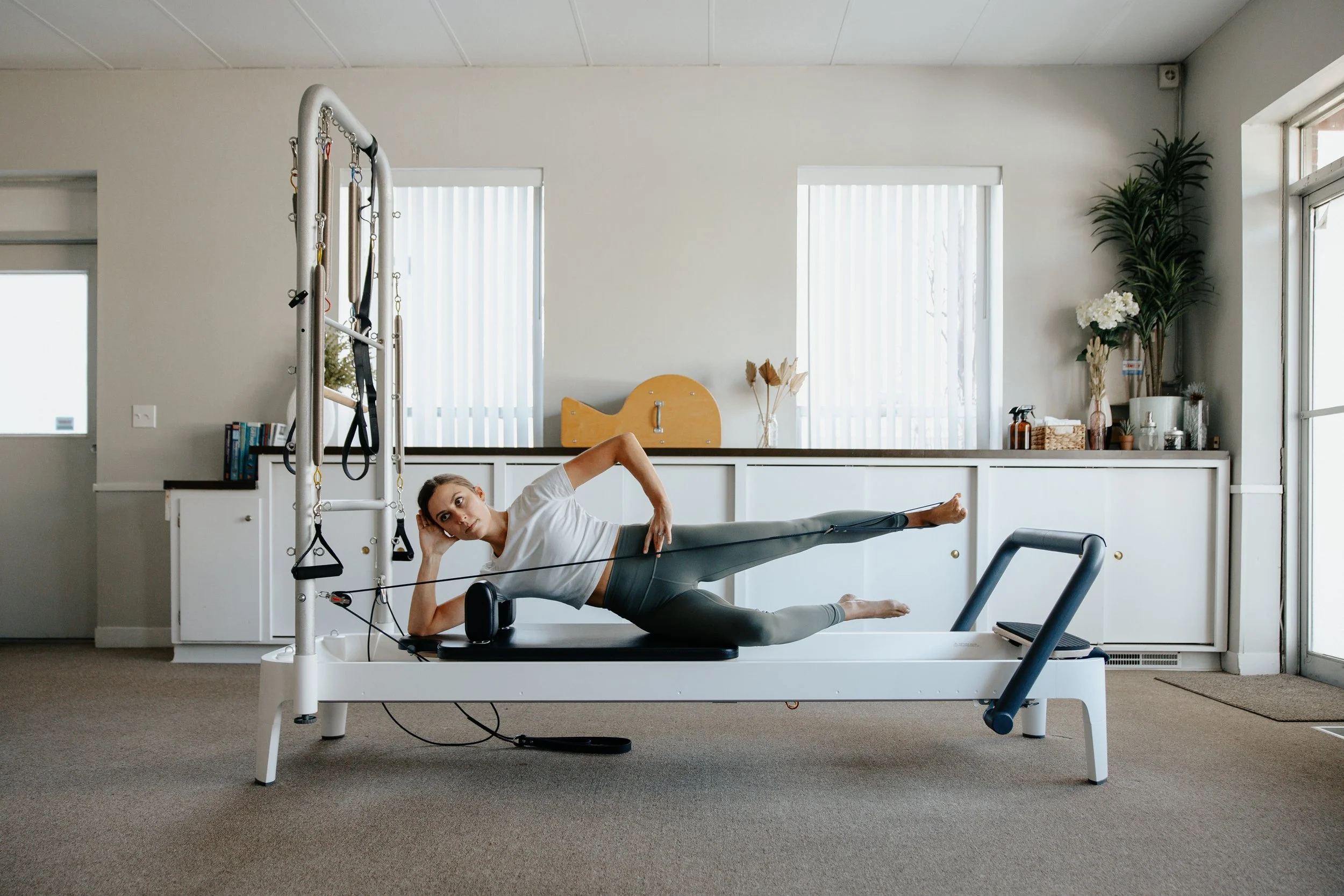
Muscle Highlight: The Gluteus Medius
When people think about “glutes,” we usually picture the glute max: the muscle we associate with power, strength, and aesthetics. But from a functional standpoint, one of the most important glute muscles is actually the gluteus medius.
The glute medius is a key player in pelvic stability, hip control, and lower-extremity alignment. When it’s working well, movement feels smooth, supported, and efficient. When it’s underactive or fatigued, other tissues often step in to compensate sometimes leading to pain or recurring injuries.
Building Consistency: How to Turn Daily Movement into a Habit
If you have ever had the feeling of being super motivated to workout for a week and then slowly losing all momentum, you are not alone. Staying consistent in any movement practice isn't an easy task and doesn't just happen out of the blue. It requires intention, structure, and meaningful strategies that support follow-through over time.
When people start a new workout routine or movement practice, they often think the key to results is intensity. They feel the need to be extremely sore, drenched in sweat and completely exhausted for the session to “count”. But the truth is, results don’t come from intensity. They come from consistency. Therefore, it matters far more about what you do 1-2 times per week for six months than what you do for 10 days in a row at 110%.
The Pilates Approach to Cortisol & Chronic Stress
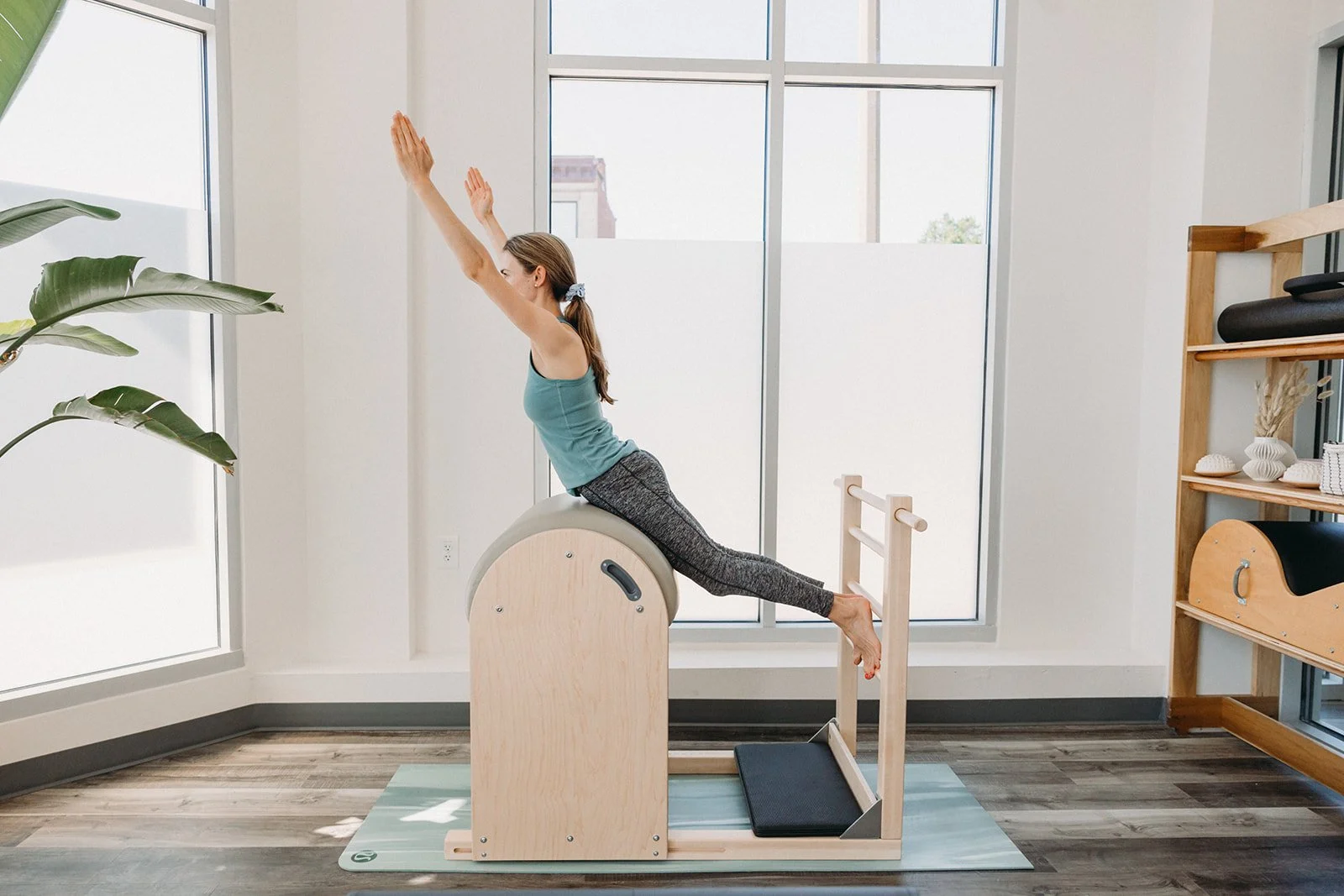
Stress is a part of everyday life, and many of us turn to exercise as a way to cope with it. While movement is essential for health not all exercise affects the body in the same way especially when it comes to stress hormones like cortisol. Understanding how cortisol responds to different types of movement can help us choose practices that support our nervous system and build resilience.
How Pilates and Pain Neuroscience Education Help to Rewire Your Brain
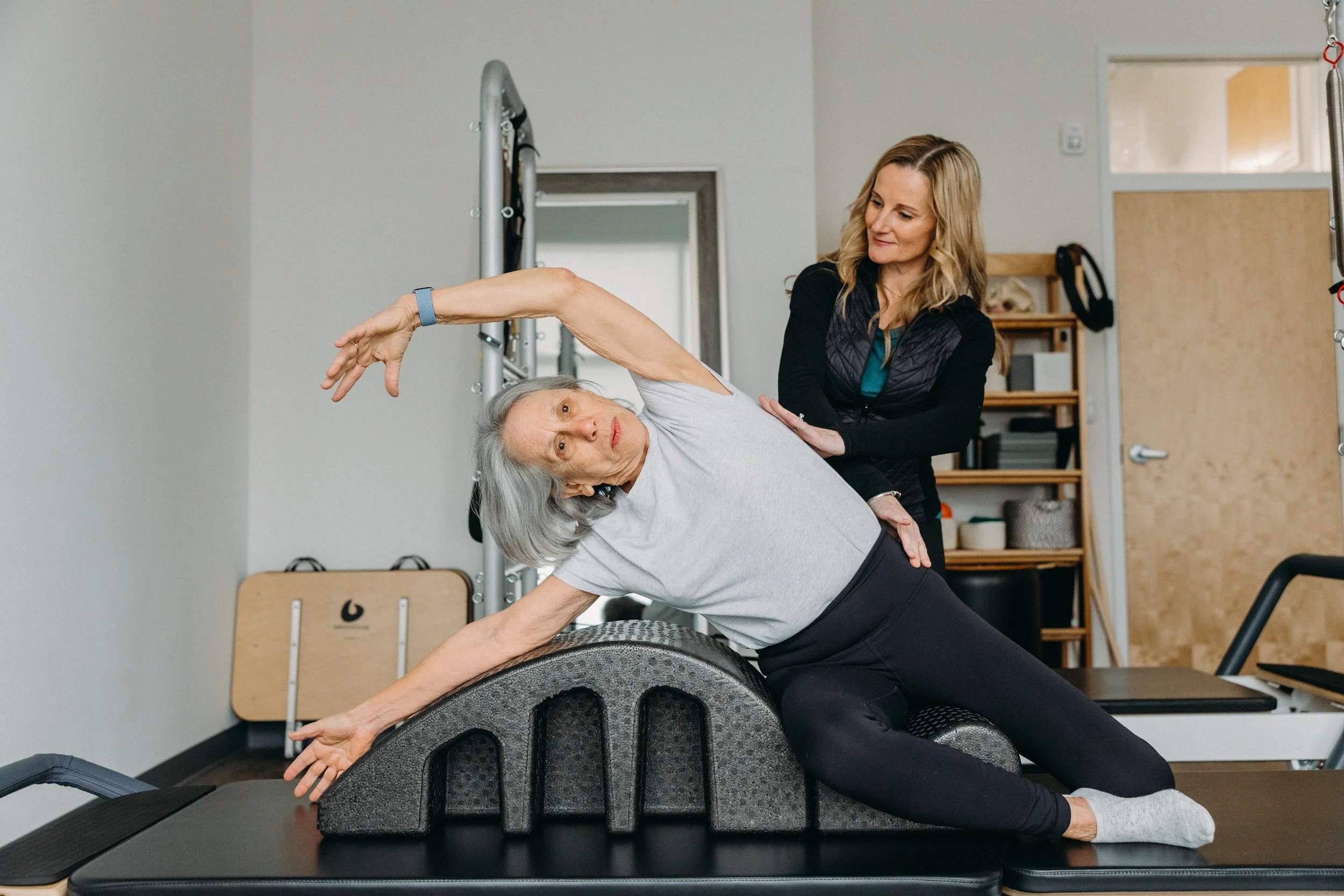
Many of us know someone, or are someone, affected by chronic pain. For many people, pain becomes more than a physical sensation; it can feel like an ongoing, stressful mystery. Why does it linger even when imaging looks “normal”? Why do flare-ups happen seemingly out of nowhere?
While it may not completely erase chronic pain, pain neuroscience offers a clearer understanding of what pain actually is and why it behaves the way it does. More importantly, it provides tools that help the body and nervous system move toward recovery.
With this foundation in mind, we can look at how Pilates and Pain Neuroscience Education work together. When combined, they create an approach that supports more confident movement, builds strength, and encourages greater freedom in everyday life.
Understanding the Diaphragm’s Role in Healthy Movement:
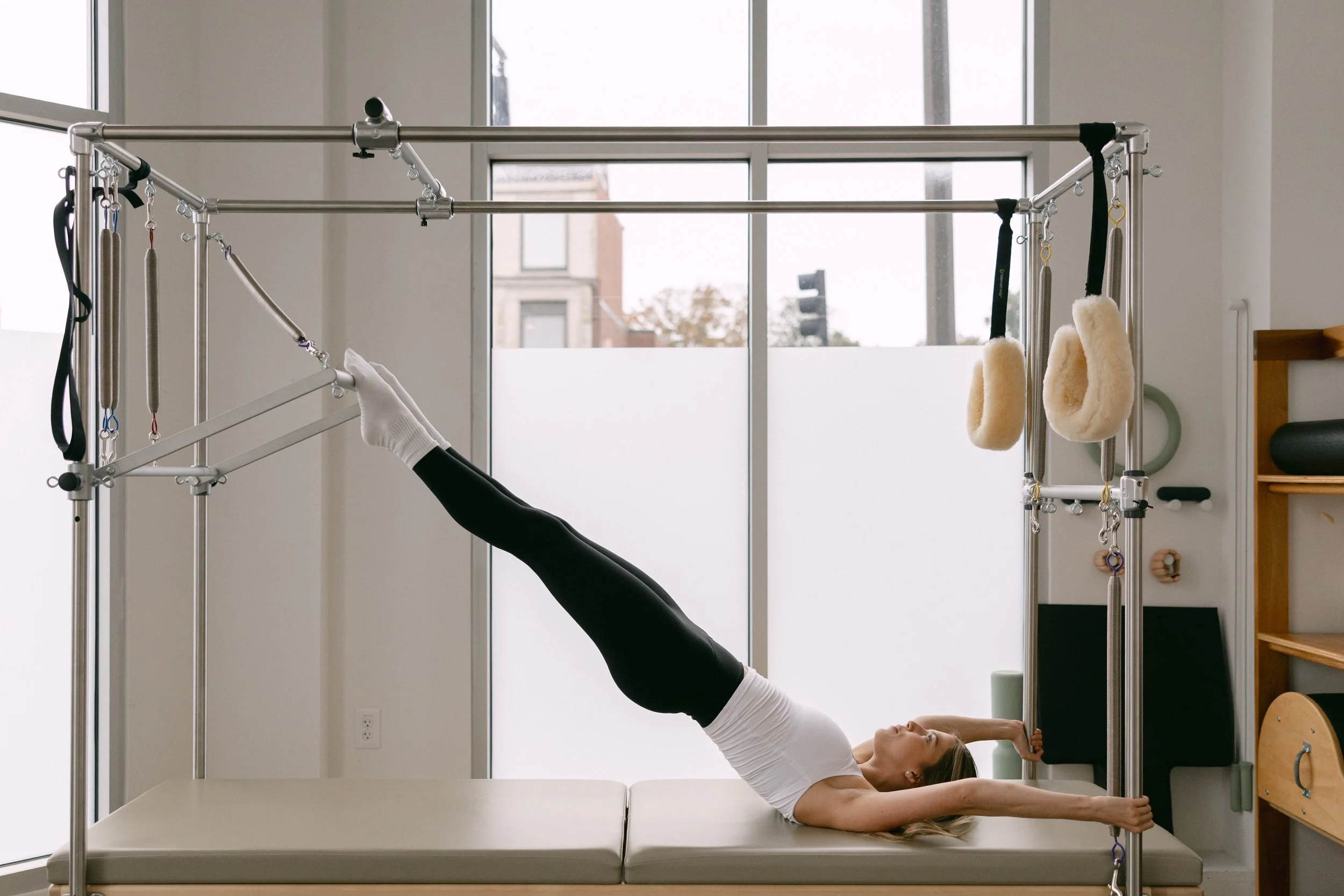
The diaphragm may be best known for its role in breathing, but its impact goes well beyond air exchange. Each inhale and exhale helps organize your spine, support your core, and guide the alignment of your entire body.
Below, we’ll explore why this muscle is so important, how it affects your core, and simple ways you can use your breath to improve the way you move.

The Science Behind Pilates and Cognitive Function
When we think of Pilates we often think we are doing it to build strength, improve posture, and increase overall mobility. And while all of these are true, Pilates also appears to have another powerful benefit: its impact on brain health.
Research shows that Pilates supports executive function otherwise known as the set of mental skills that help us plan, focus, remember and adapt. Several studies have found that consistent practice can lead to measurable improvements in executive function, verbal fluency and working memory.

The Pilates Rx & Proprioception: How to train your body’s internal GPS
Every day, we step over curbs, catch our balance, or reach for a glass of water often without thinking twice about it. But what is really behind these seemingly innate movements? It is something that few people are actually aware of: proprioception. Otherwise known as the body’s internal GPS, proprioception is what allows us to move with coordination, control and confidence. At the Pilates Rx, we are not just strengthening muscles, we’re training awareness, precision, and body control to enhance overall proprioception.