Understanding Your Deep Core Muscles
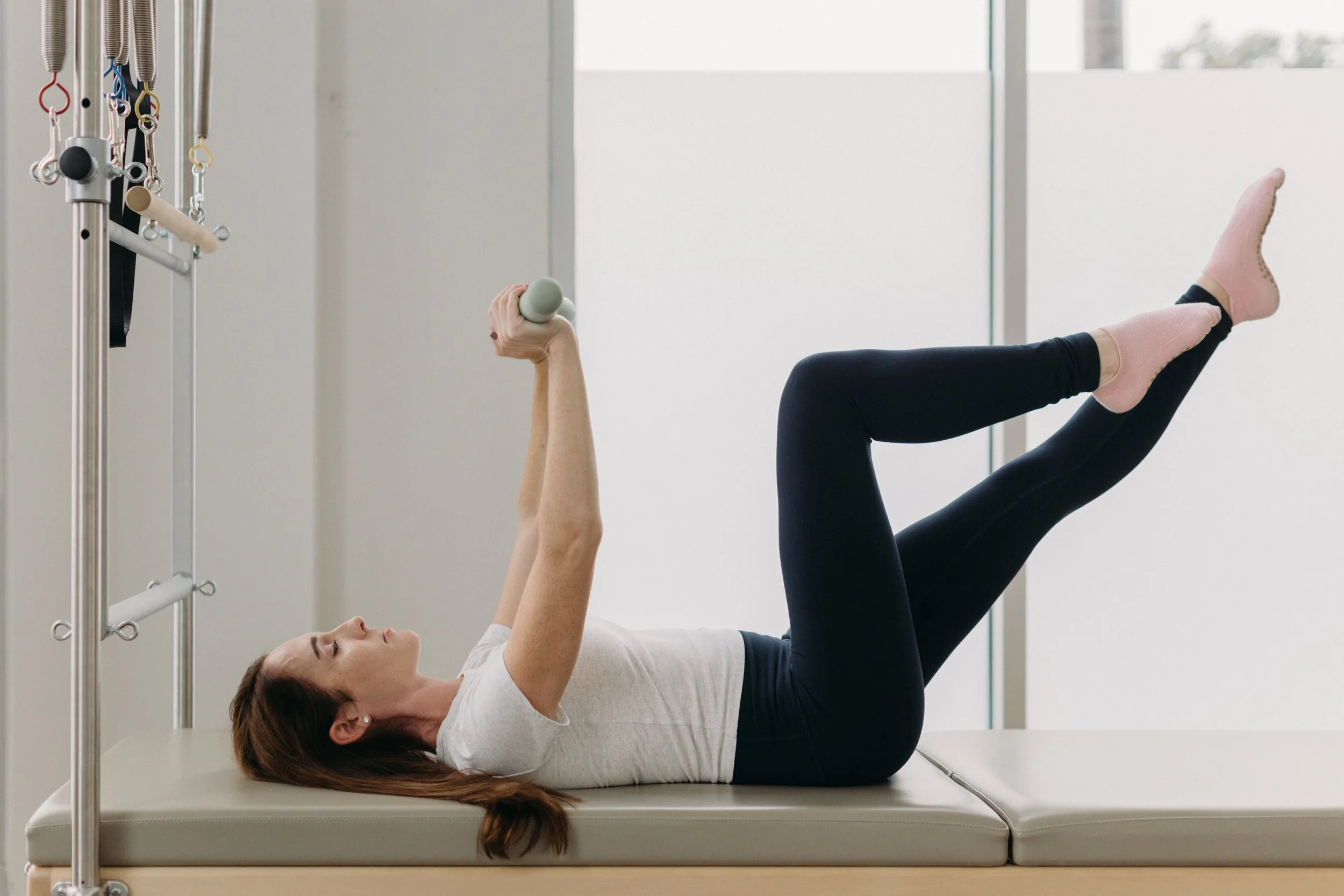
When we think about our “core,” most of us picture our six-pack abs. But when a physical therapist or Pilates instructor cues your deep core, we’re usually talking about muscles that run much deeper than what you can see in the mirror.
Your deep core has far more to do with support and stability than appearance. It’s the system that helps protect your spine, manage pressure in your abdomen, and create a stable foundation for movement. If you’ve been dealing with back pain or you feel like your core workouts “aren’t working,” understanding your deep core muscles can change everything.
What exactly is your “deep core”?
Your deep core is made up of four main muscles that work together as a team:
Your diaphragm: the primary muscle you use to breathe
Your pelvic floor: the muscles that support your bladder, bowel, and reproductive organs
Your transversus abdominis: the deepest layer of your abdominal muscles
Your multifidus: small stabilizing muscles that run along your spine
Together, these muscles create a pressure system inside your abdomen. You can think of it like a supportive cylinder in the center of your body.
When these muscles coordinate well, they stabilize your spine before you move. And this happens automatically, often without you even realizing it. It’s less about “tightening your abs” and more about managing pressure, support, and control.
Why strengthening your deep core is important:
Your deep core plays a role in nearly everything you do, even movements that don’t look like traditional “core exercises.” Before you lift your arm, take a step, or bend down to tie your shoes, your deep core should gently activate to support your spine. This happens in milliseconds.
When this system is working well, it helps to protect your spine, reduce strain on your lower back, maintain balance and coordination, improve movement efficiency, and even support pelvic floor health!
When it’s not working efficiently, other muscles often step in to compensate. Over time, this can lead to tightness, fatigue, or recurring discomfort.
Signs you may need to work on your deep core:
A weak or poorly coordinated deep core can show up in different ways. Some common signs include:
Ongoing low back discomfort
Feeling “weak” despite doing core exercises
A sense of instability during movement
Abdominal doming or coning
Difficulty balancing on one leg
And sometimes, the signs can be subtle such as always feeling tight through your hips or needing to “brace” your stomach during everything you do.
Why Pilates is so effective for training the deep core:
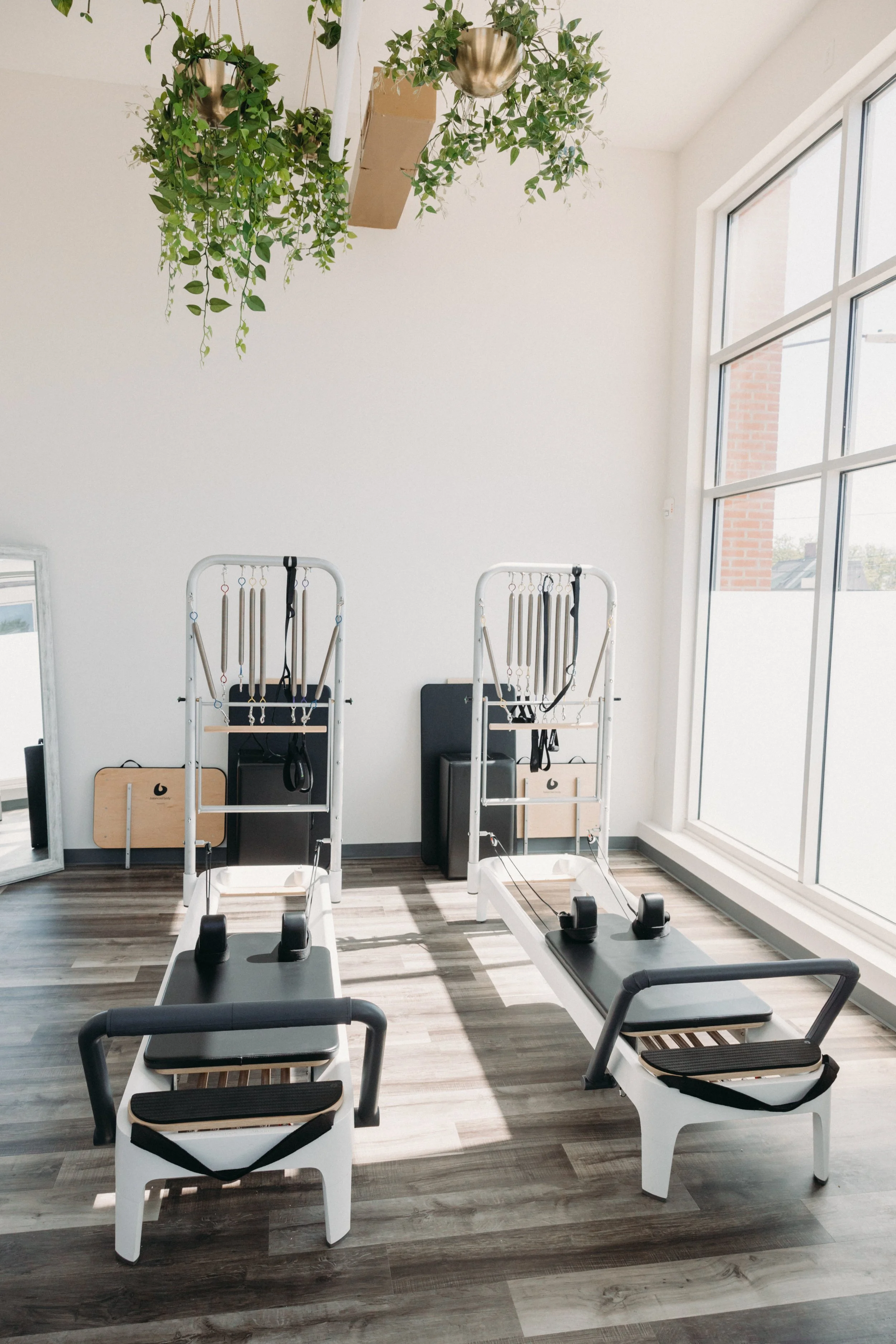
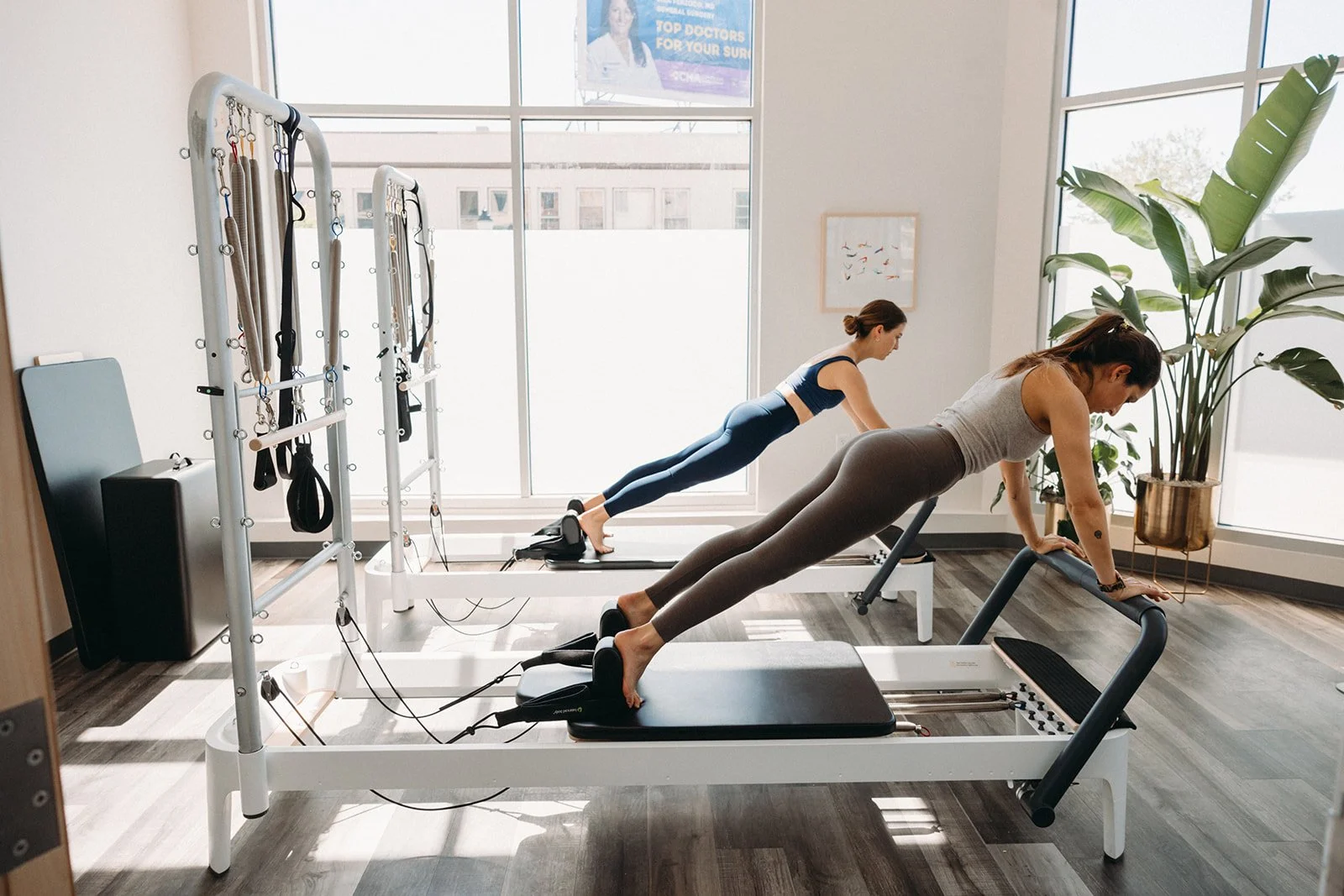
Pilates is one of the most effective ways to retrain the deep core because it focuses on quality over intensity. Pilates emphasizes coordinating breath with movement, building neuromuscular connection before adding load, and integrating core support into functional, everyday activities. This approach helps target the deeper stabilizing muscles, not just the outer “six-pack” abs. When the deep core is working the way it’s designed to, movement feels lighter, more supported, and more efficient.
Interested in learning more ?
Set up your free discovery call here.