Navigating C-Section Recovery
After a vaginal delivery with my first son, I felt prepared for a similar journey with my daughter. However, at 36 weeks, we discovered she was breech. Despite my best efforts to flip her, I eventually underwent a C-section. While this wasn't my original plan, I quickly learned I wasn't alone—roughly one-third of all deliveries in the U.S. are C-sections. Whether your C-section was elective or an emergency, the recovery path is unique. The good news? With physical therapy, Pilates, and the right education, you can significantly improve your healing experience and timeline.
The Early Days: Initial Restrictions
Your hospital stay might be slightly longer following a C-section—typically one to three days—depending on your specific delivery circumstances. During this time, your medical team will likely encourage gentle movement and short walks to promote circulation and prevent blood clots.
The transition home brings its own set of challenges. One of the most significant adjustments, especially if you have other children at home, is the lifting restriction: nothing heavier than your baby (roughly 10 lbs) for several weeks. This is crucial because you are recovering from major abdominal surgery where multiple layers of tissue and the uterus were involved. Giving your body grace and time to knit back together is essential.
Scar Management:
Most C-section incisions are horizontal, though vertical incisions are sometimes necessary in emergencies. Regardless of the type, your first priority is keeping the site clean until scabs fall off naturally. To help desensitize the area, you can gently touch the skin above and below the incision. Once you reach the 3- to 6-week mark (and after clearance from your OB or PT), you can introduce silicone strips to encourage a flatter, lighter scar. Additionally, scar mobilization techniques can be incredibly effective for reducing the "C-section shelf," decreasing sensitivity, and improving tissue mobility. Remember, sensitivity is normal for months, so move at your own pace.
Prioritizing Your Pelvic Floor
It’s a common misconception that skipping active labor means the pelvic floor is unaffected. In reality, your pelvic floor supported an entire pregnancy and deserves focused recovery. Post-surgery, it’s also important to manage constipation through hydration and nutrition. Since C-sections can occasionally impact bladder function, don’t hesitate to discuss any concerns with your doctor or physical therapist.
Guided Abdominal Healing
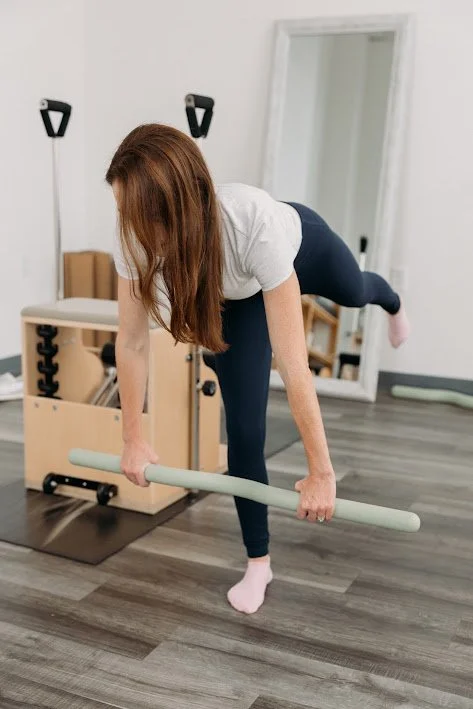
Early on, many women find relief and stability using a belly wrap or compression garments. While your core exercise timeline may be slightly delayed compared to a vaginal birth, focusing on transverse abdominal activation and 360-degree breathing is vital. A physical therapist can provide an individualized roadmap to ensure you're progressing safely and effectively.
Returning to the Activities You Love
Walking is your best friend from the very beginning. Once you've mastered fundamental core engagement and received clearance from your OBGYN (typically around 6–8 weeks), you can begin a gradual return to strength training. I recommend building a solid foundation with basic movements before reintroducing explosive or plyometric exercises. Running and high-impact sports should be the final step in your progression. This journey is highly personal; it may take anywhere from 12 weeks to a full year to feel like "yourself" again, depending on your prior activity level and delivery experience. Our For the Moms program is designed to guide you through this process with confidence and care, helping you return to the life you love.
Interested in For the Moms?
Whether you’re looking for a single session or ongoing support, our team is here to guide your postpartum recovery with intention and expertise. Book a free 15 minute consultation to learn more!
