Understanding the Diaphragm’s Role in Healthy Movement:
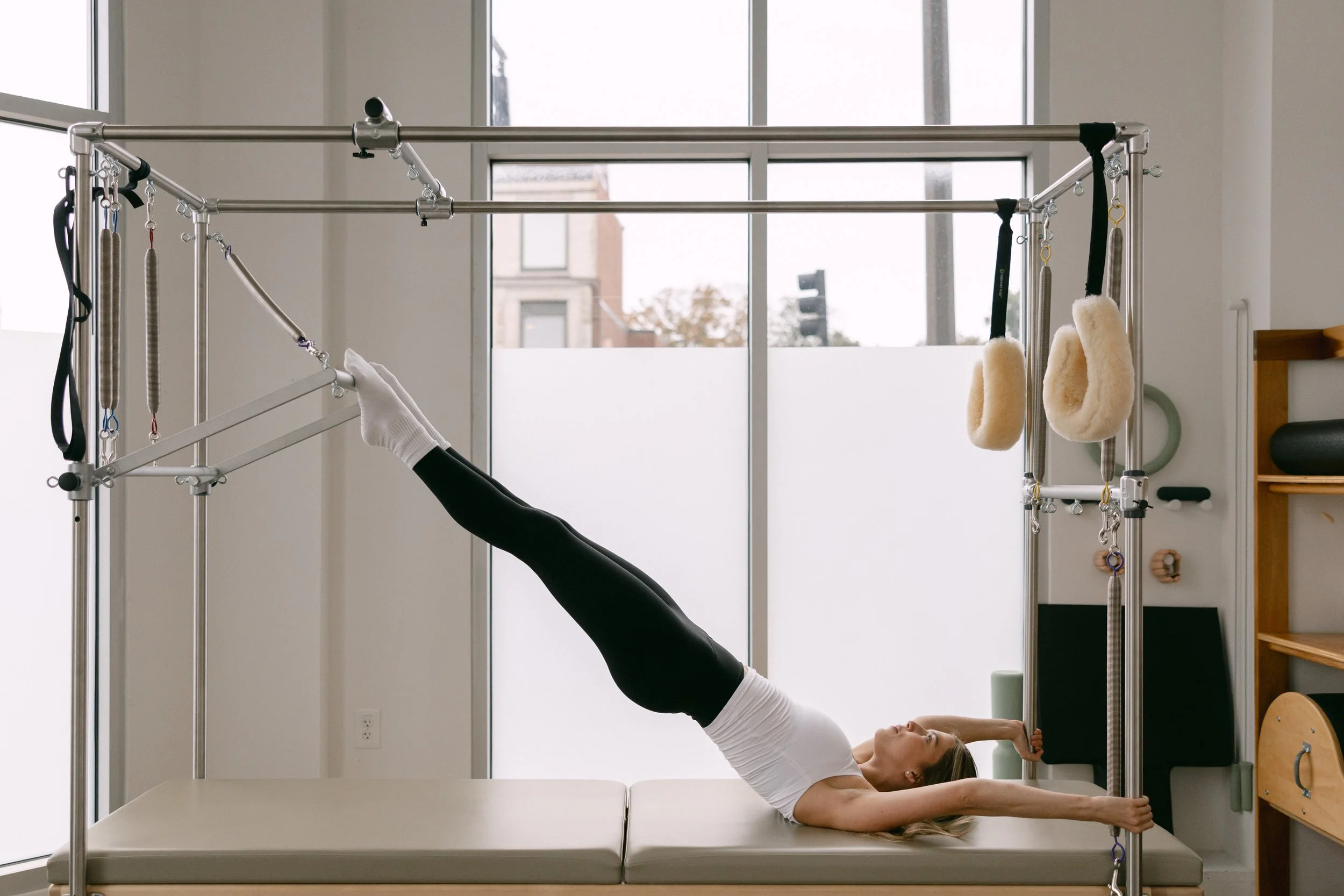
The diaphragm may be best known for its role in breathing, but its impact goes well beyond air exchange. Each inhale and exhale helps organize your spine, support your core, and guide the alignment of your entire body.
Below, we’ll explore why this muscle is so important, how it affects your core, and simple ways you can use your breath to improve the way you move.
Anatomy of the Diaphragm:
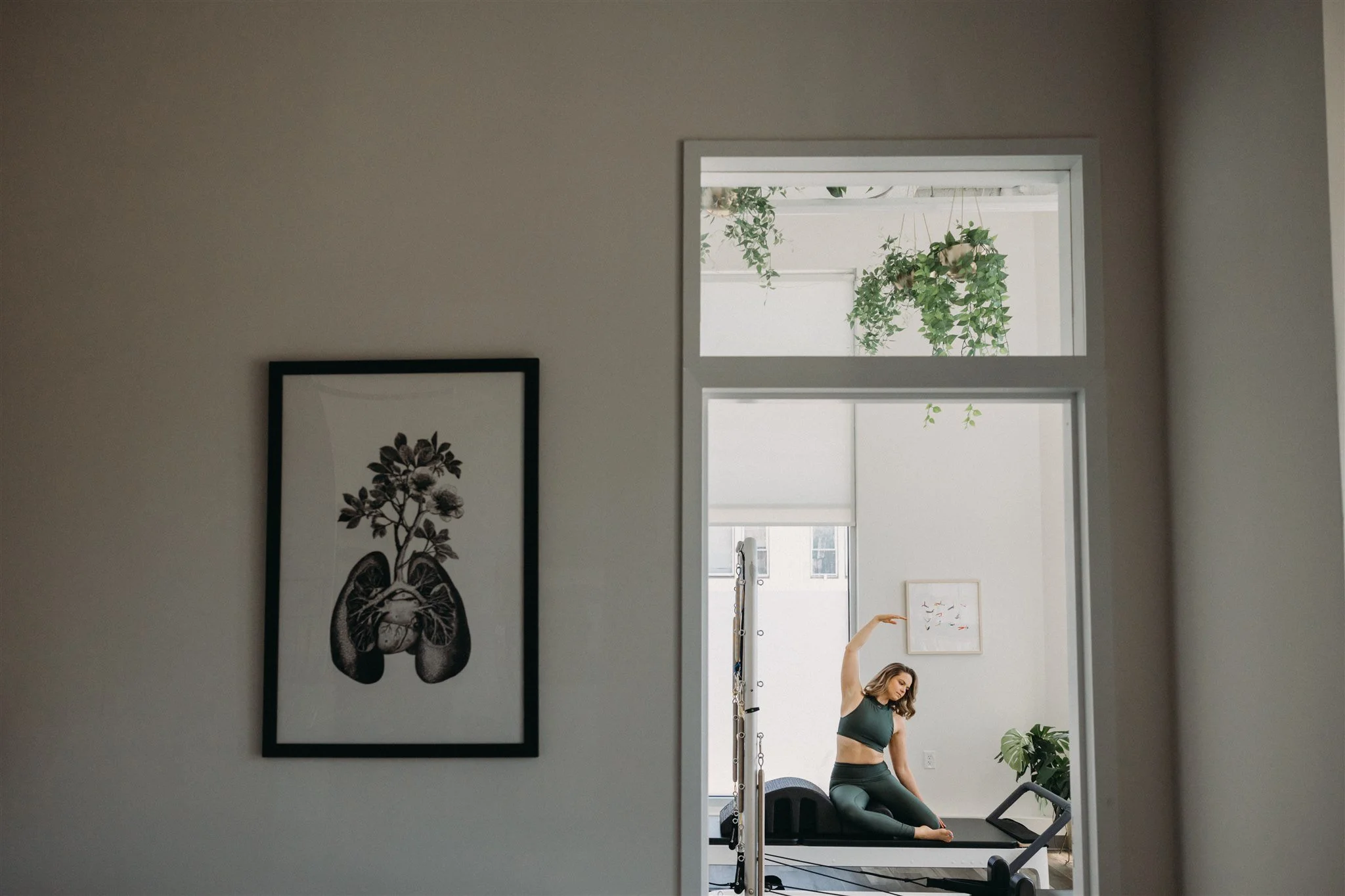
The diaphragm is a dome-shaped muscle that sits at the base of your ribcage, separating the thoracic cavity from the abdominal cavity. It attaches to the lower ribs, the sternum, and the upper lumbar spine.
These attachments matter because they give the diaphragm the ability to influence spinal position, rib mobility, abdominal pressure, and pelvic alignment. Understanding this anatomy helps explain why the diaphragm is so much more than a breathing muscle.
The Diaphragm as a Postural Organ:
From a postural perspective, the diaphragm is one of the most essential muscles in the body.
When you inhale, the diaphragm descends and the ribcage expands. This creates internal pressure that helps stabilize the spine from the inside. When you exhale, the diaphragm recoils upward, allowing the deep abdominal muscles to engage in a natural, coordinated way.
This rhythmic rise and fall creates a form of dynamic stability not rigid bracing, but responsive support that adapts to movement.
When the diaphragm isn’t functioning well, we often see compensations like:
Tight neck and shoulder muscles
Overactive superficial core muscles
Difficulty maintaining neutral spinal alignment
Chronic low-back discomfort
Simply put, when the diaphragm is restricted or inefficient, the body has to work harder to maintain posture and it often does so through tension rather than true support.
The Diaphragm–Core Connection:
The diaphragm doesn’t work alone. It is part of a coordinated system of deep stabilizing muscle that include the diaphragm, pelvic floor, transversus abdominus, and multifidus. Together they stabilize the spine and pelvis.
When you inhale, the diaphragm descends and the pelvic floor lengthens slightly. As you exhale, both recoil upward, and the transversus abdominis naturally engages. This creates stability from all directions.
When this system is synchronized the spine feels supported, movement becomes smoother, and the body relies less on bracing. When it’s not synchronized, people often compensate by bracing the superficial abs, tightening around the shoulders, holding tension in the pelvic floor, or falling into an anterior pelvic tilt that puts stress on the lower back.
Why Pilates Improves Healthy Breathing Patterns:
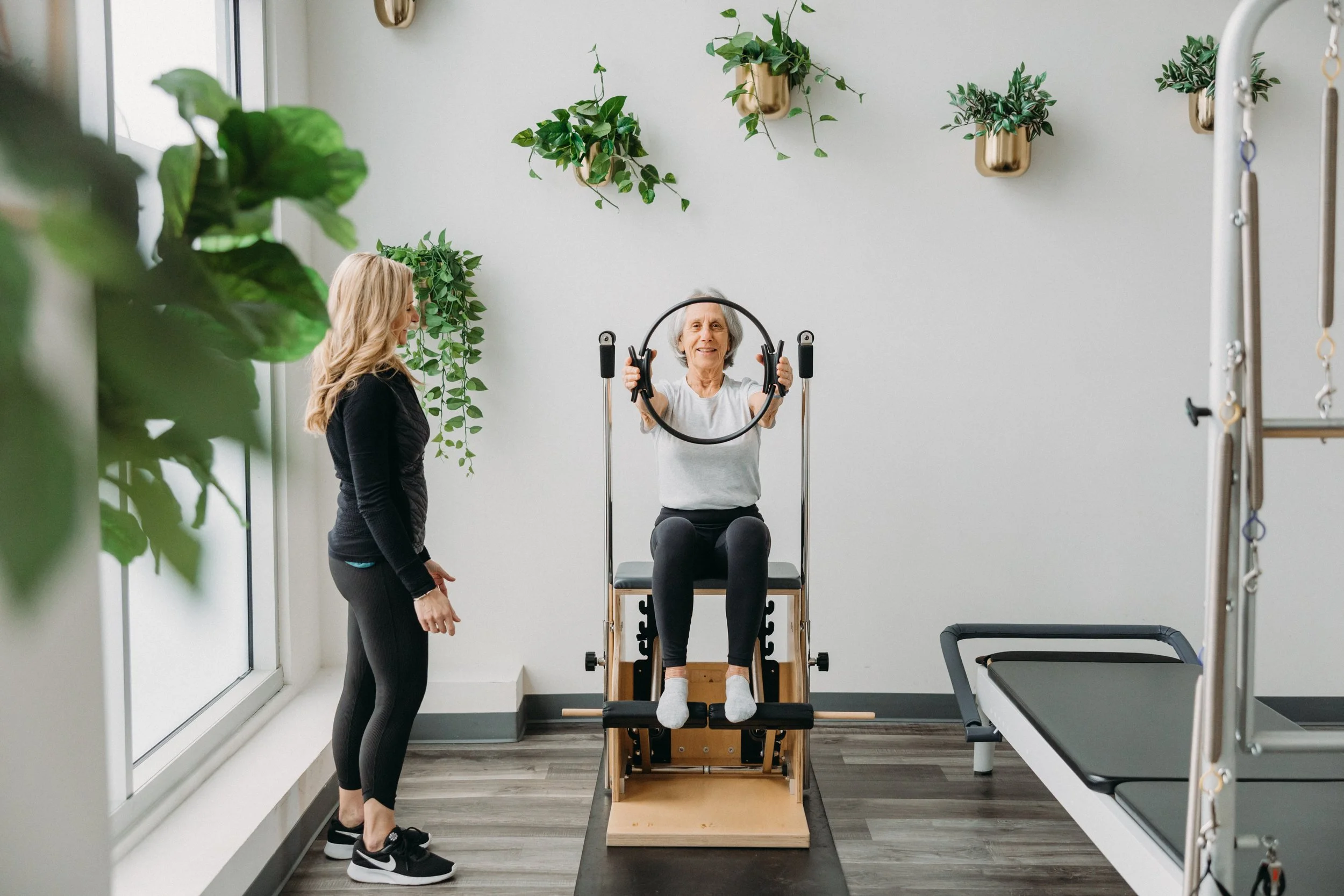
Pilates encourages healthier breathing because it blends mindful movement, rib mobility, and core coordination which are all elements that directly support better diaphragm function. Unlike many forms of exercise that rely on bracing, breath-holding, or upper-chest breathing, Pilates emphasizes intentional breath that connects to movement.
Pilates also trains the deep core to work with the breath, not against it. Movements are timed with inhalation or exhalation to help the diaphragm, pelvic floor, and transversus abdominis coordinate naturally. Over time, this rewires inefficient patterns like belly-only breathing, breath-holding, or gripping through the upper body.
Practicing 360° breathing is one of the most effective ways to retrain healthy breathing patterns. By intentionally expanding the ribs in all directions, you encourage the diaphragm to move through its full range. Over time, this teaches the body to breathe more evenly and efficiently throughout the day, not just during your Pilates session! Check out our On Demand 360° Breathing Tutorial to learn more!
Interested in learning how The Pilates Rx can help you achieve healthy breathing patterns?
Set up your free discovery call here !